
Tiskiwin Museum

Tiskiwin Museum

Loading available options...

Overview

  • Duration:4 hours 30 minutes
  • Travelers:5 guests
  • Tour Type:Daily tour, Group tour, Parks and Gardens, Private tour
  • Language:English
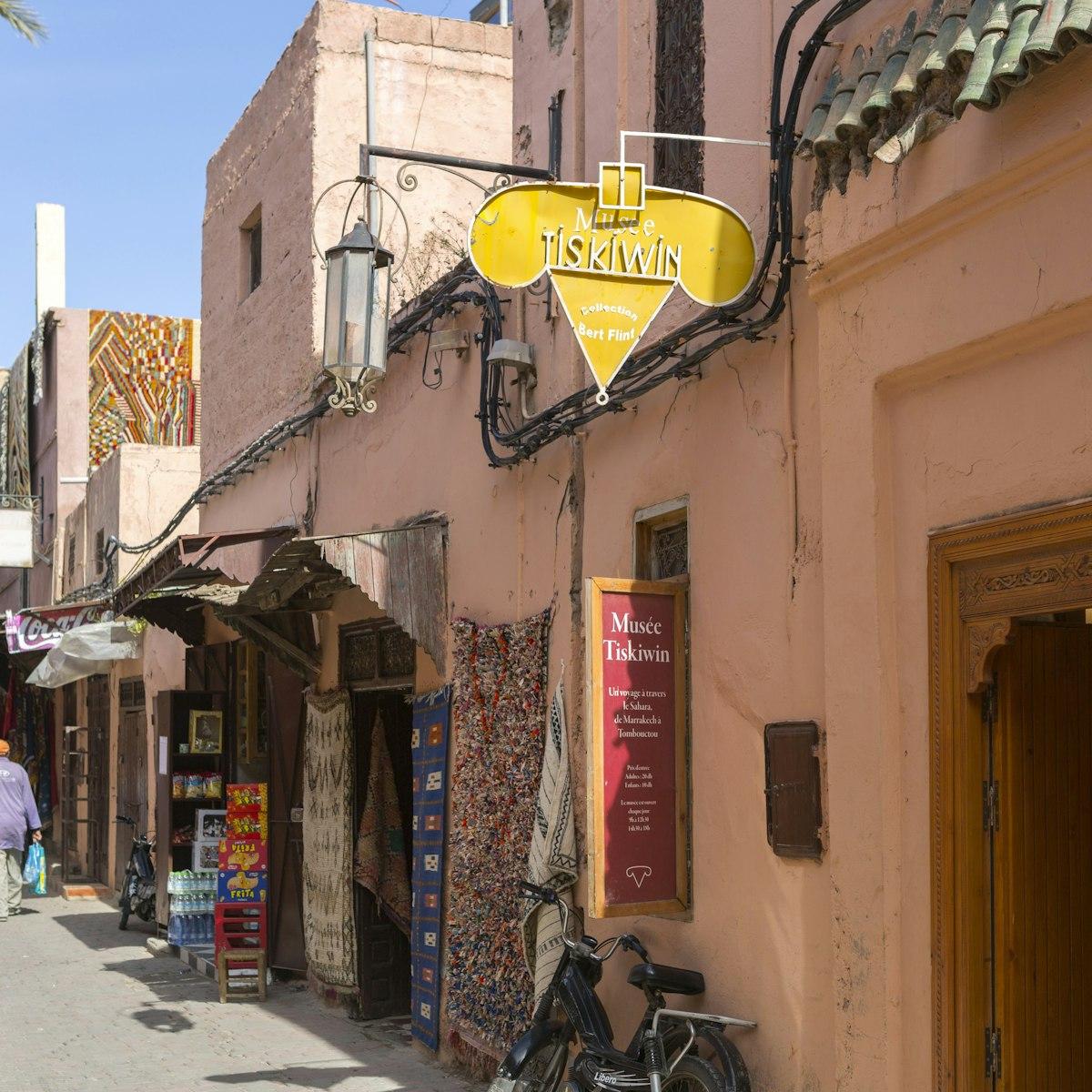
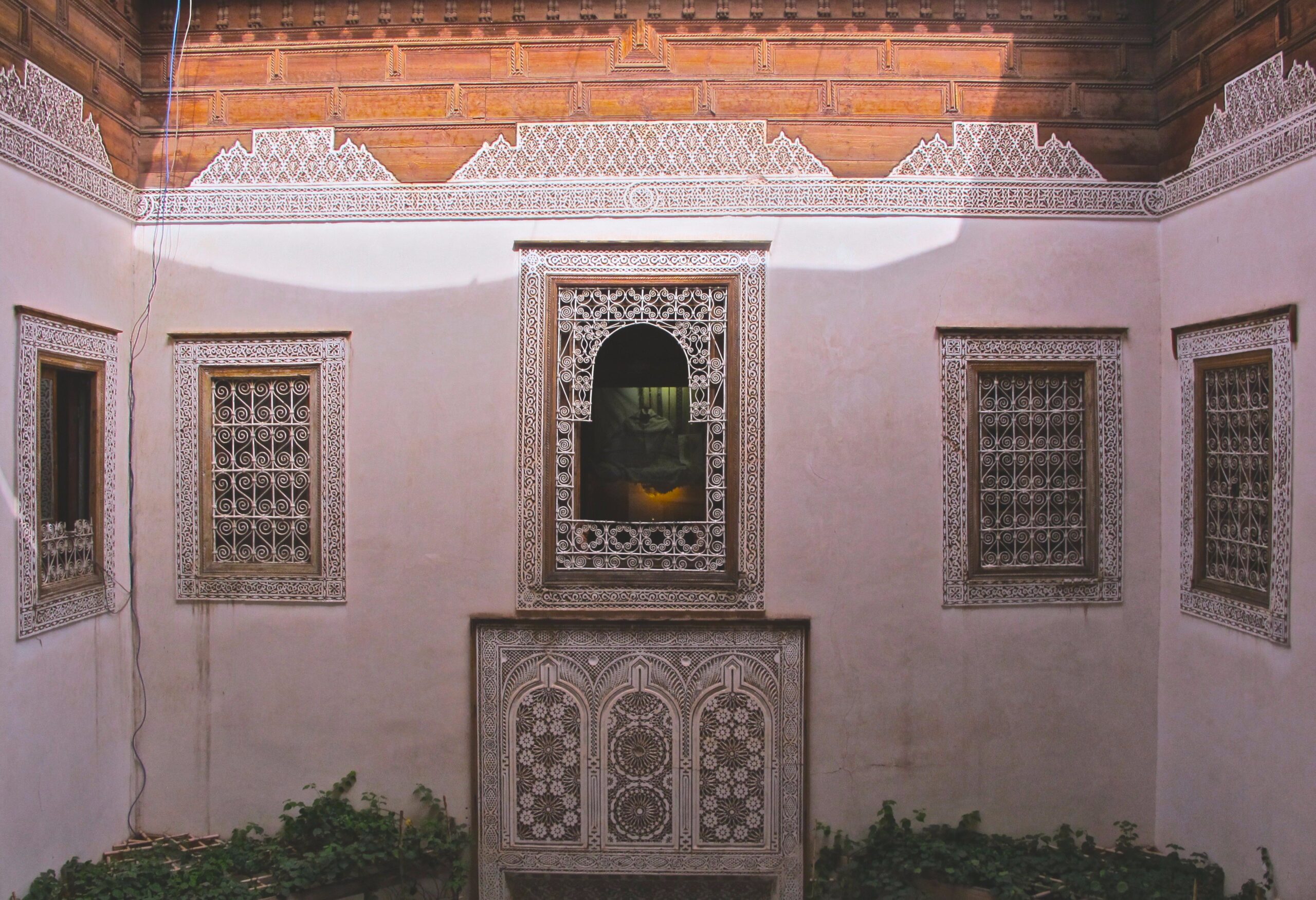
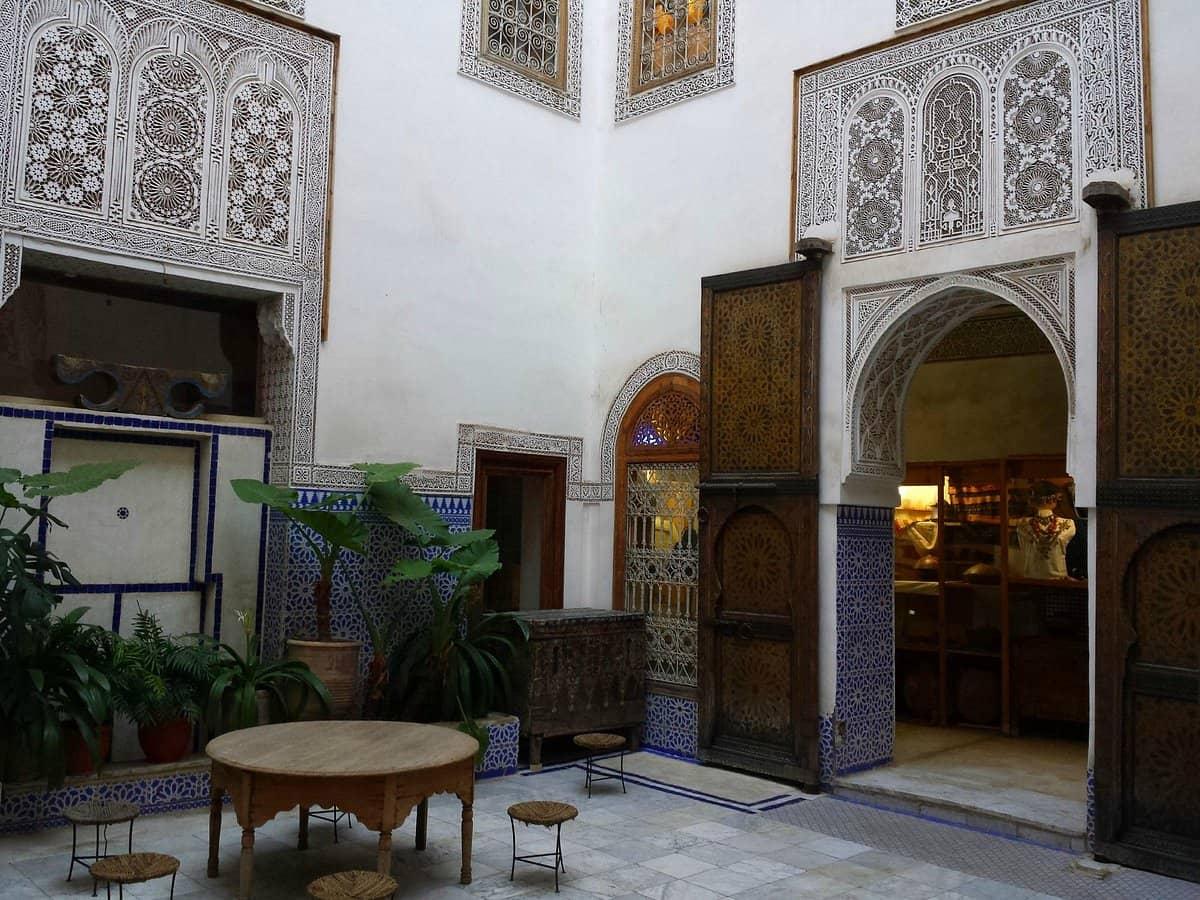
The Tiskiwin Museum (Musée Tiskiwin), also known as the Bert Flint Museum, is an private ethnographic institution dedicated to the preservation of Saharan and Amazigh (Berber) material culture. Placed between the Bahia and Dar Si Said palaces in the southern medina, the museum is housed inside a beautifully restored early 20th-century riad. It showcases the lifelong collection of Bert Flint, a visionary Dutch art historian and anthropologist who settled in Marrakech in the 1950s. The exhibitions are meticulously arranged as a geographical journey tracking ancient trans-Saharan caravan trade routes, charting deep cultural linkages from Marrakech all the way to Timbuktu, Mali.

Why You Should Visit

You should visit the Tiskiwin Museum to discover an intellectual and artistic treasure trove that masterfully connects Morocco to the grand, sweeping narrative of the African continent. It is a quiet, deeply intimate space filled with hand-written annotations that reveal the profound artistic sophistication of desert peoples.
Read more

Highlights

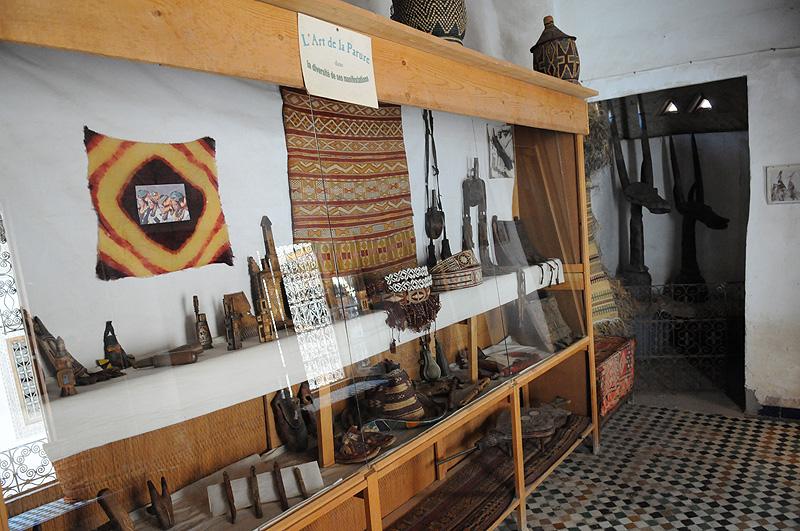
  • The Trans-Saharan Itinerary: A brilliantly structured layout across ten sequential exhibition rooms that replicate a real historical caravan journey through distinct desert tribal regions.
  • Nomadic Architecture Display: An incredible, authentic Tuareg tent woven completely from camel hair and leather, fully erected inside the museum's upper floors.
  • Intricate Berber Basketry: A stunning array of woven, leather-trimmed baskets from the Draa Valley, praised for their complex geometric symbols and structural durability.
  • Ancient Caravan Maps: Rare, archival charts tracing the major desert trading arteries, water oases, and trade outposts that historically unified Mali, Mauritania, Niger, and Morocco.
  • Sub-Saharan Mask Collection: Powerful ceremonial masks and wooden sculptures from the Niger River basin that illustrate the deep cultural ties shared by Sahelian communities.
  • Traditional Desert Garments: A magnificent collection of indigo-dyed Tuareg robes, heavily embroidered wedding caftans, and thick wool wraps designed to protect wearers from harsh desert environments.
  • Nomadic Saddles and Harnesses: Finely crafted leather camel saddles and silver-embellished stirrups showcasing the elite horse and camel cultures of the Sahara.

Includes/Excludes

  • Shared tour
  • Hotel pickup and drop-off
  • Food

Cancellation policy

You can cancel up to 24 hours in advance of the experience for a full refund.

Frequently asked questions

What are the opening hours and entry fees?

The museum is open daily from 9:30 AM to 12:30 PM, and from 3:00 PM to 6:00 PM (with a mid-day closure for lunch). General admission tickets are priced affordably at approximately 20 to 30 Moroccan Dirhams (MAD), which directly supports the preservation of Bert Flint's archives.

Is an informational guide provided during the tour?

Yes, upon entering the riad, visitors are handed a comprehensive, highly detailed laminated guidebook available in multiple languages (including English). This guide is essential to carry through the rooms, as it provides a step-by-step narration of each artifact matching the numbered exhibits.

What to bring

Comfortable Footwear
Sun Protection
A High-Quality Camera or Phone
A Charged power bank
Some cash at hand

You might also like...

Related Articles